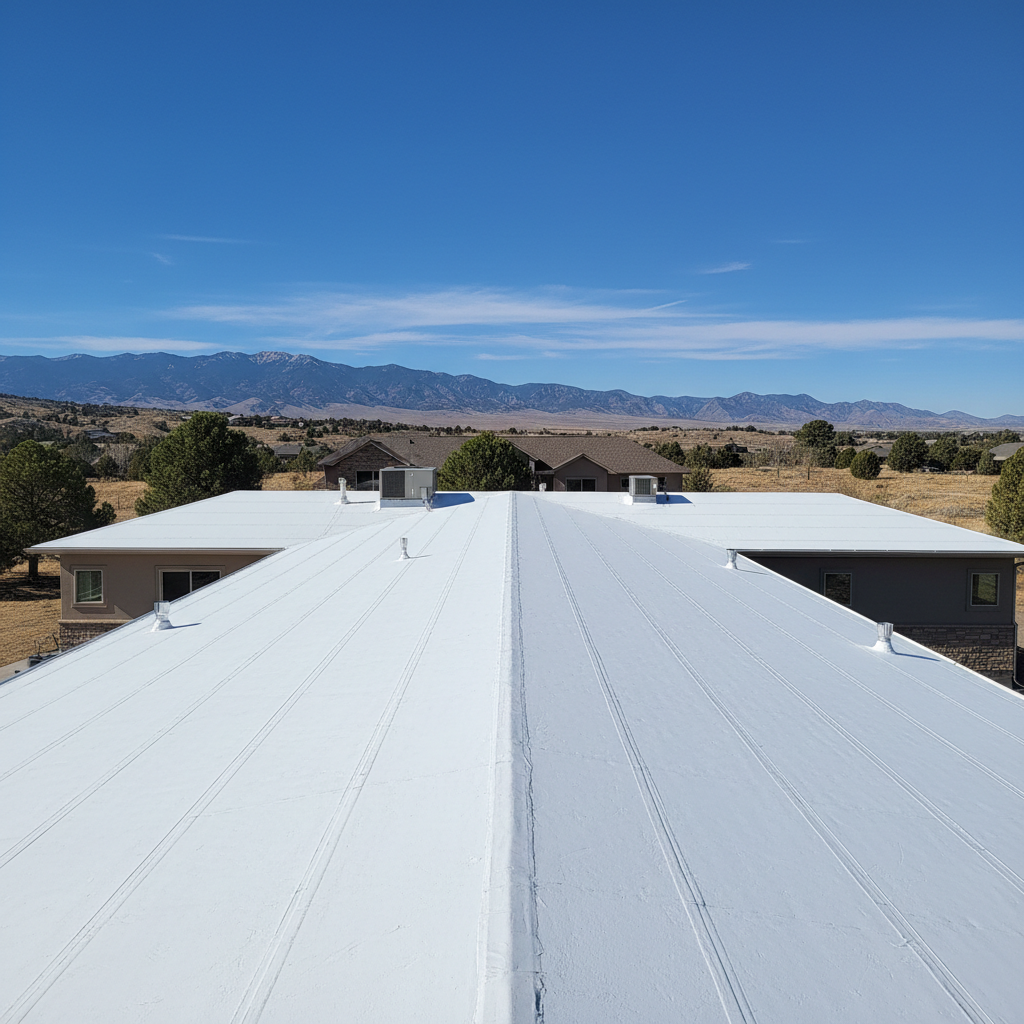
You're looking at TPO for your commercial building, right? Smart move. It's a fantastic roofing material, especially for flat or low-slope roofs we see all over Ogden, from the old industrial buildings downtown to the newer commercial parks out by the airport. But here's the thing: TPO isn't just TPO, and hiring for it isn't like picking up a gallon of milk. There are some serious pitfalls I see folks fall into all the time, and you don't want to be one of them.
Mistake #1: Thinking All TPO is the Same
This is a big one. People hear 'TPO' and think it's a generic product. It's not. There are different manufacturers, different thicknesses, and different installation methods. You've got 45 mil, 60 mil, 80 mil – and that number refers to the thickness of the membrane. Thicker usually means more durable, better puncture resistance, and a longer lifespan. If a bid looks too good to be true, it might be because they're quoting a thinner, cheaper membrane that won't stand up to our harsh Ogden winters or those scorching summer suns.
Always ask what brand of TPO they're using and what thickness. Good contractors, like us at Ogden Roofing Company, will be transparent about the materials. If they're vague, that's a red flag. You wouldn't buy a car without knowing the make and model, right? Treat your roof the same way.
Mistake #2: Ignoring the Installation Details (It's Not Just Laying It Down)
TPO installation is precise work. It's not just rolling out a big sheet and calling it a day. The seams are critical. TPO sheets are heat-welded together, and if those welds aren't done perfectly – with the right temperature, pressure, and speed – you're going to have leaks. I've seen roofs where the seams are peeling apart after only a couple of years because the crew rushed it or didn't have the right equipment.
Another detail? The flashing around penetrations like HVAC units, vents, and parapet walls. These are the most common spots for leaks. A good TPO installer pays meticulous attention to these details, using proper flashing techniques and sealants. Ask about their crew's experience with TPO specifically. Do they have certified installers? What's their process for seam inspection?
Mistake #3: Going with the Lowest Bid Without Asking Why
Everyone wants to save a buck, I get it. But with a commercial roof, the lowest bid is often the most expensive in the long run. Why is it so low? Are they cutting corners on materials (see Mistake #1)? Are they using an inexperienced crew? Are they skipping critical steps in the installation process (see Mistake #2)?
Sometimes, a low bid means they're not properly insured or licensed. In Utah, you absolutely need a licensed contractor for commercial work. If they're not, you're taking on all the liability if something goes wrong. Always ask for proof of insurance and their contractor's license number. Check their references. Look for reviews from other Ogden business owners. A reputable contractor will have no problem providing this information.
Mistake #4: Not Understanding the Warranty
A TPO roof can come with different types of warranties: material warranties from the manufacturer and workmanship warranties from the installer. You need both. A material warranty covers defects in the TPO membrane itself, but it won't help you if the roof leaks because of poor installation.
Ask what's covered, for how long, and what voids the warranty. Some warranties require annual inspections by a certified professional to remain valid. Make sure you understand your responsibilities. A good warranty from a reliable company gives you peace of mind, especially when you're dealing with the kind of heavy snow loads we get up in the Ogden Valley.
Mistake #5: Neglecting Proper Roof Drainage
This isn't strictly an installation mistake, but it's a planning mistake I see people make. TPO is great for flat roofs, but 'flat' doesn't mean perfectly level. There needs to be a slight slope to ensure proper drainage. If water pools on your TPO roof, it's called 'ponding.' Ponding water can lead to premature aging of the membrane, stress on the seams, and even structural issues over time.
Before any work starts, discuss the drainage plan with your contractor. Are they adding tapered insulation to create a slope? Are the drains clear and properly located? If your current roof has ponding issues, simply re-covering it with TPO without addressing the drainage will just lead to the same problems down the road.
Look, a TPO roof is a big investment for your business. Don't let these common mistakes turn it into a headache. Do your homework, ask the tough questions, and choose a contractor who knows their stuff and stands behind their work. It'll save you a lot of grief and money in the long run.