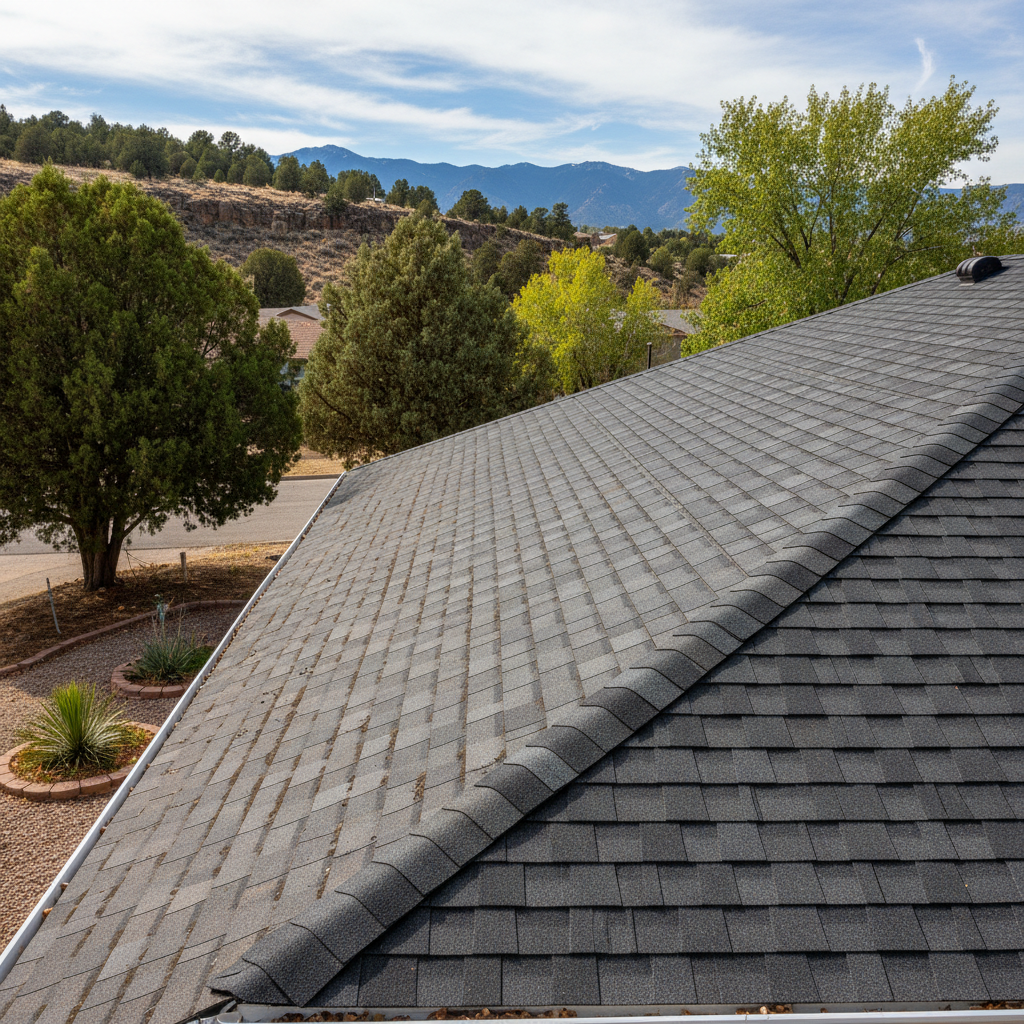
Alright, so a nasty storm just rolled through Ogden. Maybe it was one of those crazy hailstorms we get, or maybe some high winds ripped off a section of shingles. Now you're staring at your roof, wondering what in the world to do. Do you just patch up the obvious spots, or is this the universe telling you it's time for a whole new roof?
It's a common dilemma, and honestly, there's no single right answer for everyone. But I've seen enough storm-damaged roofs in this town to give you some real talk about your options. Let's dig into the two main approaches.
Option 1: The Patch-Up Job
This is exactly what it sounds like: you fix only the areas that are visibly damaged. If you've got a few missing shingles, a small dented section, or a minor leak, a targeted repair might seem like the quickest and cheapest way to go.
Cost
Initially, a patch-up job is almost always cheaper. You're paying for fewer materials and less labor. If your insurance company is involved, they might prefer this route too, especially if the damage is isolated and minor. We're talking hundreds to a few thousand dollars, typically.
Durability
Here's where it gets tricky. If the underlying structure is sound and the damage is truly superficial, a good patch can last. But if the storm caused widespread, less obvious damage – like micro-fractures in shingles that aren't immediately leaking – those patched areas might hold up, but other parts of your old roof could fail soon after. It's like putting a new tire on a car with three bald ones; it'll help, but it won't solve the whole problem.
Maintenance
You'll probably need to keep a closer eye on your roof after a patch. New problems might pop up in adjacent areas that were weakened but not replaced. It can be a bit of a whack-a-mole situation if the storm damage was more extensive than it first appeared.
Appearance
Unless your roof is brand new, a patch will almost certainly stand out. New shingles rarely match the faded, weathered ones already on your roof. You'll have a checkerboard effect, which might not bother some folks, but others find it an eyesore. Especially if you're in an older neighborhood like those around the Ogden East Bench, where homes often have original, faded roofs, a bright new patch can really stick out.
Option 2: Full Roof Replacement
This means tearing off the old roof and installing an entirely new one. It's a bigger undertaking, for sure, but often the smarter long-term play, especially after significant storm damage.
Cost
No two ways about it, a full replacement costs more upfront. We're talking thousands, sometimes tens of thousands, depending on your roof's size, pitch, and the materials you choose. However, if your insurance company deems the storm damage widespread enough, they might cover a significant portion, making the out-of-pocket difference less dramatic than you'd think.
Durability
This is where a full replacement shines. You're getting a brand-new roof system, from the decking inspection to the underlayment, flashing, and shingles. Everything's fresh, installed to current codes, and designed to work together. You're resetting the clock on your roof's lifespan, giving you decades of worry-free protection. This is especially important with our harsh Utah winters and hot summers; a new roof is built to handle those temperature swings and heavy snow loads.
Maintenance
With a new roof, your maintenance needs drop significantly. You'll still want to keep gutters clean and do annual inspections, but you won't be patching leaks or worrying about the next shingle to blow off. Most new roofs come with solid warranties, too, covering materials and labor for years.
Appearance
A full replacement gives your home a uniform, fresh look. You can even choose to upgrade your materials or change the color, giving your house a significant curb appeal boost. If you're planning to sell your home anytime soon, a new roof is a massive selling point.
My Recommendation for Ogden Homeowners
Look, if it's just one or two shingles that blew off in a mild gust, and the rest of your roof is relatively new and in great shape, a patch might be okay. But that's a rare scenario after a real storm.
In almost every case of significant storm damage I've seen here in Ogden, I lean heavily towards a full roof replacement. Here's why:
- Hidden Damage: Hail and high winds don't just hit one spot. They can cause widespread granule loss, bruising, or weakening across your entire roof that isn't immediately visible. Patching only addresses the obvious, leaving you vulnerable to future leaks and problems.
- Insurance Coverage: If your insurance adjuster agrees the damage is substantial, they'll often cover a full replacement. Don't leave money on the table by settling for a patch when you're entitled to a new roof. We at Ogden Roofing Company can help you navigate that claims process.
- Long-Term Value: A new roof gives you peace of mind, better energy efficiency, and significantly boosts your home's value and curb appeal. You're not just fixing a problem; you're investing in your home's future.
- Warranty: New roofs come with comprehensive warranties. Patches usually don't extend the warranty of your existing, older roof.
Don't just jump at the cheapest fix. Get a thorough inspection from a reputable local contractor who knows our weather patterns. They can tell you the true extent of the damage and help you weigh your options properly. Sometimes, what looks like a small problem is actually a sign that your roof has taken a beating it can't recover from with just a patch.