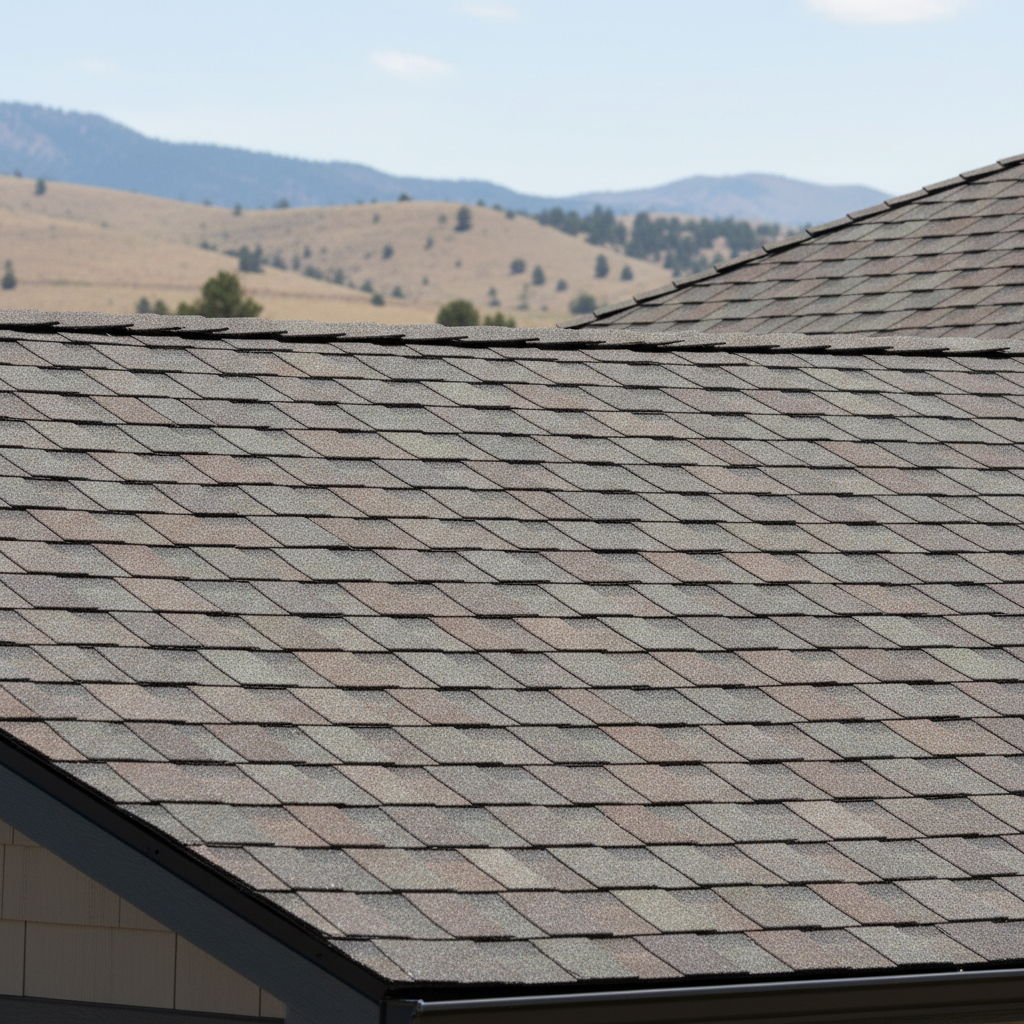
Before the Shingles Come Off: Planning Your Roof Project
So, you're thinking about a new roof. Maybe you've got some leaks, or your shingles are looking pretty rough after another one of our crazy Ogden winters. Whatever the reason, getting a new roof is a big deal, and you want to make sure you're doing it right. First off, let's talk about what you can actually do yourself versus when you absolutely need to call in the pros.
Can you DIY a roof? Look, I've seen some ambitious homeowners try, and sometimes it works out okay for a small shed. But for your actual house? I wouldn't recommend it. This isn't just about nailing down shingles; it's about proper ventilation, flashing, underlayment, and making sure it's all up to code. Mess that up, and you're looking at leaks, mold, and a whole lot more money down the road. Plus, it's dangerous work. One slip and you're in the emergency room instead of enjoying your new roof.
What you can do yourself before calling a contractor is some solid research. Figure out what kind of roofing material you're leaning towards. Asphalt shingles are common, but maybe you're thinking about metal for its durability, especially with the heavy snow loads we get up in the East Bench neighborhoods. Look at your budget, too. Get a general idea of what you can afford. Also, check your homeowner's insurance policy. Sometimes they'll cover a portion if the damage is from a storm.
When you're ready to talk to contractors, get at least three quotes. Don't just go with the cheapest one. Ask about their experience, their licensing, and if they're insured. Any reputable company, like Ogden Roofing Company, will be happy to show you all that. Ask for references and actually call them. See if they've done work similar to what you need.
During the Installation: What to Expect
Okay, you've picked your contractor, the materials are ordered, and the big day is here. What should you expect when the crew shows up? Well, first, it's going to be noisy. There's no getting around it. Tear-off is loud, and so is nailing down new shingles. If you work from home or have small kids, you might want to make other arrangements for a day or two.
The crew will usually start by protecting your property. They'll lay down tarps around the house to catch debris. This is crucial for protecting your landscaping and making cleanup easier. If you have anything fragile close to the house, move it yourself beforehand. They'll do their best, but things can shift.
The old roof comes off first. This is where you might see the condition of your roof deck. Sometimes we find rotten plywood or structural issues that weren't visible from the outside. If that happens, your contractor should stop work, show you the problem, and discuss the extra costs and solutions. Don't let them just fix it without talking to you first.
Once the old roof is gone, they'll install the underlayment, ice and water shield (super important for our climate!), and then the new roofing material. A good crew works efficiently. They'll usually clean up as they go, but there will be a final sweep with magnets to pick up any stray nails. Trust me, you don't want those in your tires.
What can you do during this phase? Stay out of the way, mostly. Let the pros do their job. You can check in periodically, ask questions if you have them, but avoid hovering. Provide access to power if they need it, and maybe offer some cold water on a hot day. A little hospitality goes a long way.
After the Last Shingle: Post-Installation Checklist
The crew's packed up, the new roof looks fantastic, and the noise has stopped. Now what? First, do a thorough walk-around of your property. Check for any debris they might have missed – bits of old shingle, nails, packaging. If you find anything significant, let the contractor know right away. They should come back and take care of it.
Inside your house, take a look at your attic. Check for any signs of water intrusion, especially after the first big rain. Make sure the ventilation looks clear and unobstructed. You might notice a slight change in your home's temperature or energy bills if your old roof had poor insulation or ventilation issues that were corrected.
Your contractor should provide you with a warranty for both the materials and the workmanship. Make sure you get all these documents and keep them in a safe place. Understand what's covered and for how long. Most shingle manufacturers offer a pretty good warranty these days, but the workmanship warranty from your local Ogden Roofing Company is just as important.
Finally, remember that a new roof isn't maintenance-free forever. You'll still want to keep an eye on it. Clear your gutters regularly, especially after fall leaves or heavy winds. If you see any damaged shingles or flashing, don't wait. Call your contractor to get it checked out. A little proactive care can extend the life of your roof by years.